
August 2026 | Author :- Soumitra
If you understand HINDI, there is already a Video on Youtube
Before Going to Bottle Cap Sizes..
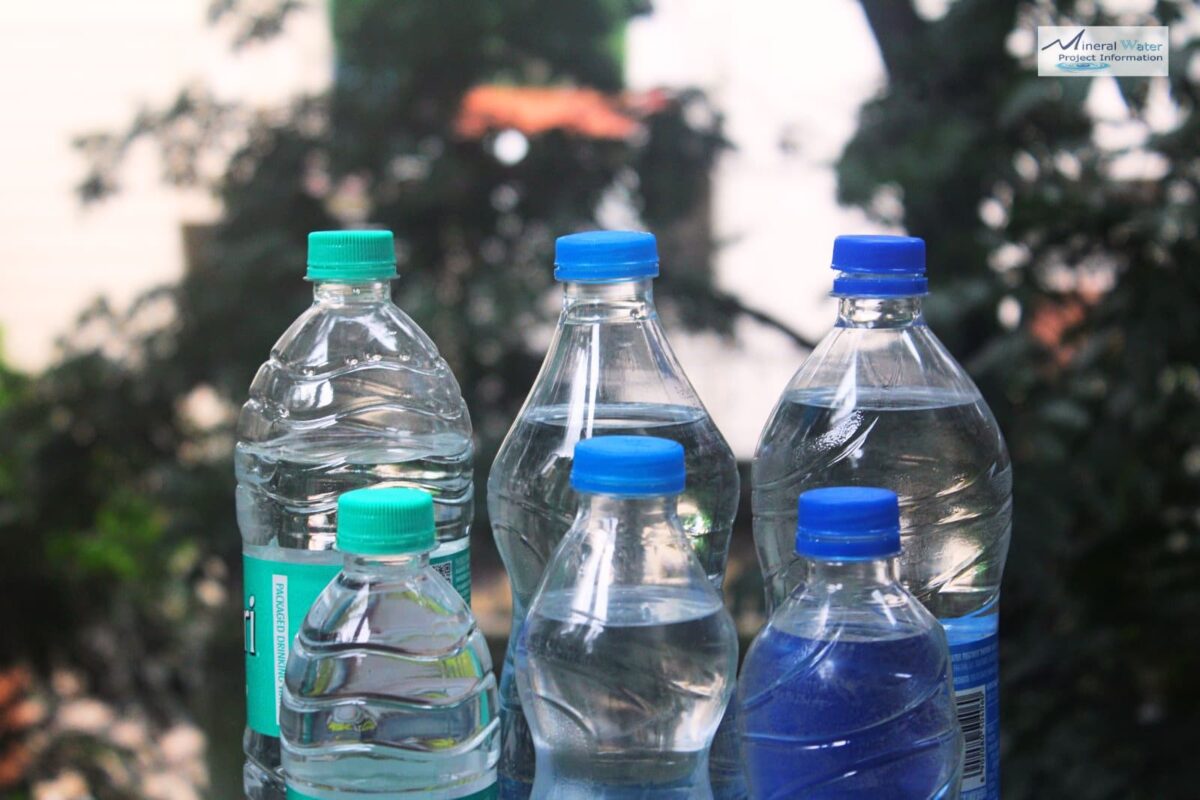
There was a question on the youtube community as to why we don’t see much variation in the bottle sizes in terms of volumes. In other words the questioner was asking why can’t we make different volume bottles than the standard 1 Ltr,2 Ltr, 500 ml, 250 ml…. And why not some odd volumes like 800ml,1350ml……?
Technically Legally : You Can Have it !
But commercially? That’s a whole different story.
The Economics of Bottle Sizes
At the end of the day, packaged water is a high-volume, low-margin commercial enterprise. To achieve real commercial success, beverage companies must achieve massive scale while keeping a relentless eye on profitability. Producing custom or odd-sized bottles (like 800 ml or 1350 ml) drastically disrupts this scale, driving up costs across the entire supply chain.
Here is why the financial reality forces brands to stick to standard bottle sizes:
- Tertiary Packaging & Logistics: Shipping containers, wooden pallets, and secondary cardboard trays are standardized worldwide. Odd bottle shapes and volumes create awkward dimensions, leading to wasted space, unstable pallets, and significantly higher freight costs per unit.
- Vertical Stacking & Heights: Bottling plants and retail stores rely on standard bottle heights for multi-tier shelf displays and warehouse stacking. Non-standard bottle heights risk structural instability during transport and often fail to fit standard supermarket shelving.
- Manufacturing & Machinery Constraints: High-speed bottling lines—from blow-molding machines to capping, labeling, and filling equipment—are built around universal dimensions (like standard cap diameters and body widths). Adjusting these automated lines for custom bottle sizes requires expensive re-tooling and costly production downtime.
Only the leaders can afford to bring change !
Like Bisleri came out with one of its kind – 330 ml Bottle. Bisleri, being Bisleri could do that, not you & me. And it became a standard ! Clear is also an example. Now a sizable player, Clear came out with one of its kind, square bottle.
Can you repeat this ? Why not ? But first : the Economics
A Closer look at the Caps
In India’s bottled water industry, Bisleri dominates the space, with major competitors like Aquafina and Kinley using nearly identical bottle neck sizes.
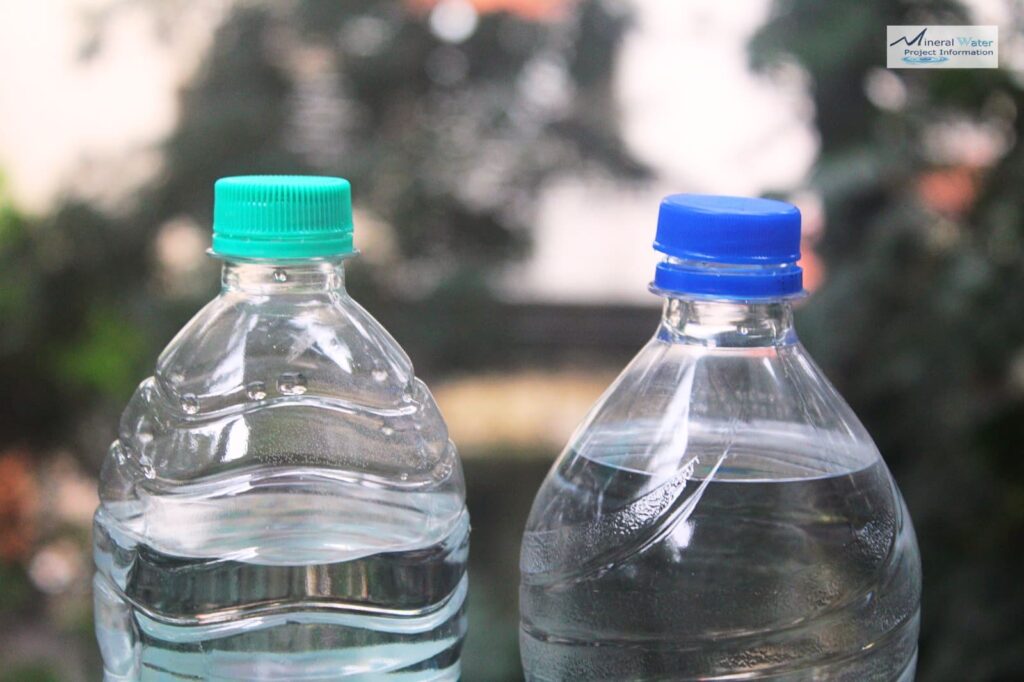
Bisleri vs Aqua Fina Water Bottle Cap Neck Comparison
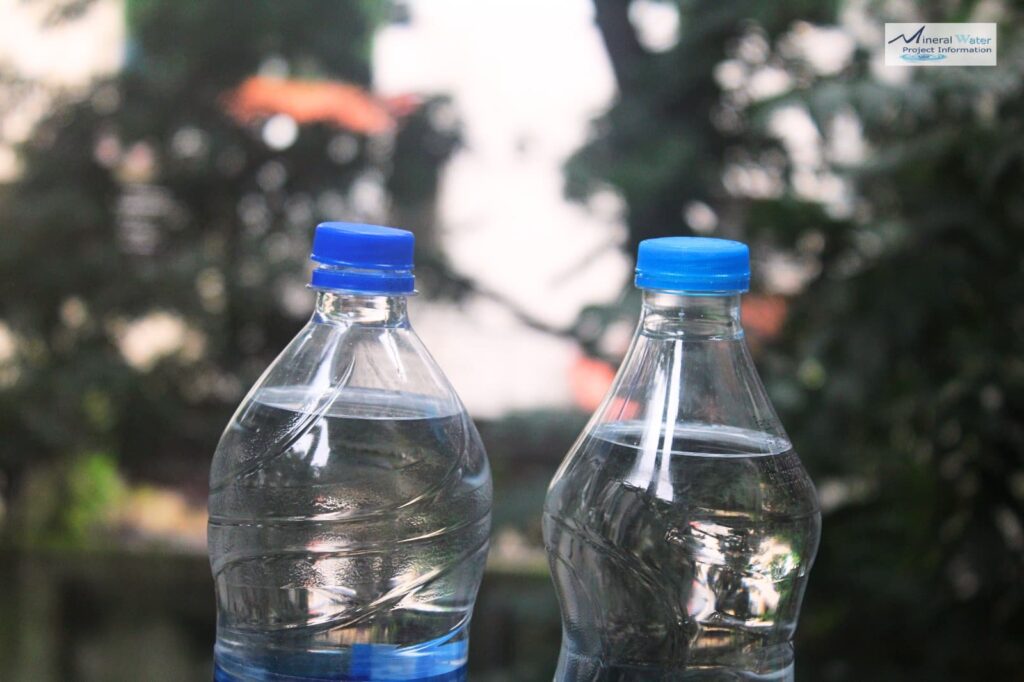
Kinley vs Aqua Fina Water Bottle Cap Neck Comparison
Aquafina vs Kinley : 1 mm Difference in Dia
Scale vs. Strategy
While economies of scale drive the strategy for beverage giants, standardized bottle sizes shouldn’t discourage local players. A rigid, one-size-fits-all model actually leaves room for smaller bottling plants to build highly profitable local niches. In fact, countless regional brands consistently outpace national leaders right in their own local area.
Succeeding as a local manufacturer doesn’t require a huge budget —it takes consistent market analysis, real-time tracking of industry shifts, and agile execution.
Ready to Optimize Your Bottled Water Business?
Whether you are looking to scale efficiently or find your local market edge, expert guidance can help you navigate these operational choices:
- Long-Term Strategy: Explore our Mentoring Program1 for ongoing, hands-on guidance to help you monitor trends, streamline supply chains, and outperform local competitors.
- Quick Fixes: Facing an immediate bottleneck or strategic hurdle? Request a 1-Time Issue Assessment to get an expert evaluation and immediate actionable insights.
- Please visit our Consultancy Page for details & do write to us.
FAQs
When you achieve sizable Reserves & Surplus, to experiment from
Nothing, as per our latest knowledge
For NMW2, Yes, generally, when PET is used. Otherwise in Glass bottles, variety of shapes are used.
Footnote/s
- Do Ask for a Mentoring Roadmap ( whatsapp 9822478111 – no calls please ) ↩︎
- Natural Mineral Water is different & the consumers too. ↩︎